

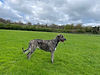
Dog Showing
A beginner's guide
.jpeg)
GETTING STARTED
Dog showing can be a fun, social and rewarding experience for you and your Irish Wolfhound.
Whether you’re considering your first village fun show or aiming to step into the world of championship events this guide will walk you through the basics and help you take those exciting first steps with confidence.
What is dog showing?
Dog shows are events where dogs are judged against the breed standard – a written description of the ideal example of the breed as defined by The Royal Kennel Club in the UK. Judges assess dogs based on structure, movement, coat condition and overall balance and type.
But it’s not just about the looks – temperament, training and presentation all play a part too!
Why show your dog?
It’s a great way to build a closer bond with your hound.
You will meet other owners, breeders and enthusiasts.
You will learn more about the breed and help promote good breeding practices.
It is fun and inclusive – even if you never win, you will be part of a welcoming community.
What you will need
Your dogs pedigree and Royal Kennel Club registration certificate (for most open and championship shows).
A show lead of some type that suits you and most importantly your hound.
A small grooming kit consisting initially of a slicker brush, a small find toothed comb and a nail clipper.
A safe, comfortable crate, X pen or blanket (vet bed is great) for your hound to rest on.
Water, treats, poop bags and patience!
How to enter a show
Find a show – check the Irish Wolfhound Club website for forthcoming events. Also check dog show schedules on Fosse Data, Higham Press or Kennel Club listings.
Choose the right class – for example special beginners, puppy, junior, limit, open, veteran class. The age of your dog, your own experience and previous wins affect eligibility of a class. It will tell you if you read the schedule which class you can enter.
Enter online or by post – usually 4-6 weeks before the show date but the online platforms will tell you when the entry dates for a particular show close.
On the day of the show, you should:
Arrive early to settle in and find your ring, bench if appropriate, toilet area for yourself and the hound and to get set up in plenty of time.
Get your catalogue and find your ring number for yourself/your hound.
When your class is called enter the ring and follow the stewards instructions. You must clearly display your ring number for the correct hound at all times .
Undertake any last minute grooming and keep your hound and yourself relaxed. Ensure your hound has toileted before you enter the ring.
Be polite, keep calm and enjoy the moment – win or lose!
Tips for success:
Attend ring craft classes - you can find these locally in most places around the UK.
Watch your breed at shows before entering so you know what ring etiquette is expected.
Speak to owners ringside and ask questions so you have a good understanding of what is happening in the ring.
Keep your dog well groomed, lean and fit.
Ask experienced owners and committee members for advice – most are more than happy to help.
Be sportsmanlike. Every judge has a different opinion and it does depend on how you and your hound perform on the day.
Enjoy the process!
Showing isn’t just for professionals
Many successful exhibitors started with a single pet puppy and a curious heart. With the right support and guidance, you and your hound can step confidently into the ring and enjoy this time honoured tradition.
The Irish Wolfhound Club can connect you with mentors and help you prepare for your first show if you wish!
Ringcraft – a beginners guide
Training you and your Irish Wolfhound for the show ring.
If you are thinking of showing your Irish Wolfhound – or simply want to improve your dog’s confidence, focus and handling – ringcraft classes are the place to start.
These weekly training sessions are designed to help both you and your hound learn the skills needed to succeed in the show ring.
What is ringcraft?
Ringcraft classes simulate the experience of being at a dog show. You will practice:
Gaiting (moving your dog at the correct pace to best show off your dogs natural movement around the ring).
Stacking (standing still in a show pose).
Being examined by the judge (who will look at the dogs teeth, feel all of its anatomy and structure and place their hands all over the dog feeling for its good and not so good points so they can compare them to the breed standard).
Learning to stay calm and focussed in a busy environment – this is great practice for both yourself and your hound.
Ringcraft helps your dog feel comfortable with:
Being touched by strangers.
Working in noisy or crowded spaces.
Standing still and walking, trotting on a loose lead.
It also builds confidence
Teaches you how to present your dog at its best.
Introduces you to fellow dog lovers and exhibitors
Prepares you for real show situations.
Helps with obedience and focus.
When to start
You can start ringcraft as soon as your puppy has completed its vaccinations and has some basic confidence on a lead. The earlier you begin, the more comfortable your hound will be with the expectations of the show ring.
That being said – it is never too late to start ringcraft! Even adult dogs can benefit.
What you will learn at ringcraft classes.
How to stand your dog in a natural, balanced position.
How to move at a suitable pace to show off your dogs gait (not too fast and not too slow).
How to present your dogs bite and allow handling.
How to work with different judges preferences.
Ring etiquette – when to enter, where to stand and how to behave in the ring.
What to bring
-
A lightweight suitable show lead;
-
High value treats or a favourite toy;
-
Water and bowl;
-
A piece of vet bed or something comfortable for your hound to lie on;
-
A brush and comb;
-
Poop bags; and
-
Your sense of humour and patience!
Tips for getting the most out of ringcraft
Be consistent – regular attendance builds routine and confidence.
Practice at home between classes.
Don’t worry if progress is slow at first, its about building trust and each hound and owner learn at different paces.
Watch others and ask questions – experienced handlers are usually happy to help.
Enjoy the journey – its about learning together not perfection.